Shock, grief, and unanswered questions have rippled through Minneapolis following the death of Renee Nicole Good, a 37-year-old mother of three. Who died during a federal immigration enforcement operation earlier this month. What began as a seemingly ordinary day on a residential street quickly turned into a tragedy that has captured national attention. Reignited debates over federal enforcement practices, and sparked vigils across the city in memory of a devoted parent and community member. Good, remembered by neighbors as a creative and caring individual, leaves behind three children and a grieving family. Her death has prompted an outpouring of emotion from the Minneapolis community, many of whom are struggling to comprehend how a routine law enforcement encounter could escalate to a fatal outcome. Residents have described the neighborhood as a typically quiet area, with families and children accustomed to daily routines interrupted by the sudden arrival of heavily equipped federal officers.
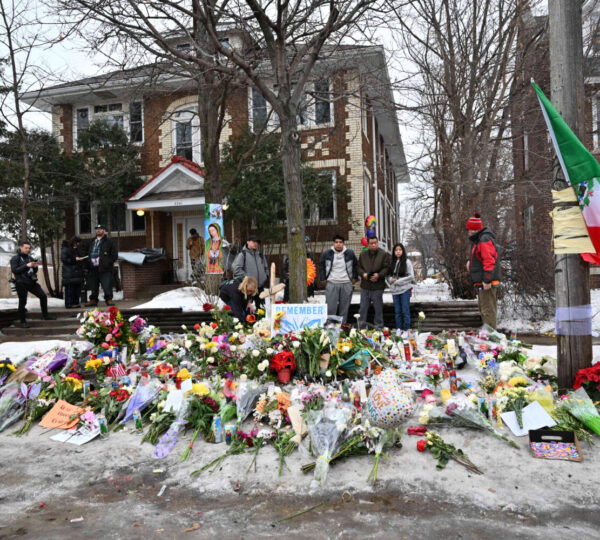
The incident has intensified discussions about the presence of such enforcement operations in residential areas and the broader implications for public safety.
Video Footage and the Timeline of Events
Recently released video footage provides crucial context for understanding the moments leading up to Good’s death. In the recording, she appears seated calmly inside her vehicle, engaging in conversation with a federal officer before attempting to leave the area. According to official statements, what initially seemed like a controlled situation escalated rapidly, resulting in the tragic outcome.
Federal, state, and local authorities are reviewing the incident, including operational protocols and the decisions made in real time.
The Officer Involved: Jonathan Ross
The federal agent involved in the operation has been identified as Jonathan Ross, a 43-year-old officer with U.S. Immigration and Customs Enforcement (ICE) Enforcement and Removal Operations stationed in Minnesota.
Ross is a military veteran, having served in Iraq before joining the U.S. Border Patrol and later ICE in 2015. His law enforcement career has included specialized roles in enforcement operations, firearms training, and high-risk interventions. This extensive experience has raised questions about how officers are trained to de-escalate tense encounters and whether the protocols in place adequately address interactions with civilians in non-threatening situations.
Public attention has also revisited a previous on-duty incident involving Ross in 2025, during which he was injured during an enforcement operation involving a vehicle stop.
Testimony and records from that event have resurfaced in news reports, adding layers of complexity to the ongoing discussion about his judgment, training, and the pressures faced by federal officers in high-stakes operations.
Community Response: Vigils, Remembrance, and Calls for Accountability
The community response to Renee Good’s death has been profound and immediate. Neighbors, friends, and advocacy groups have organized vigils to honor her memory and support her grieving family.
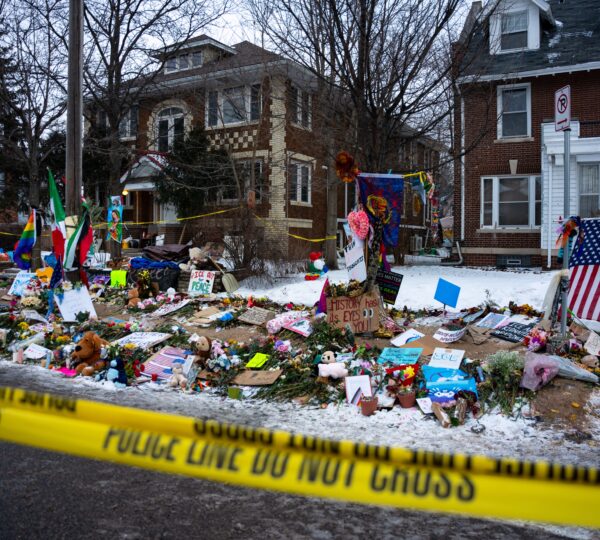
Candles, flowers, and personal notes line local streets, serving as visible reminders of the human cost behind headlines and statistics.
Good is remembered by those who knew her as a devoted parent, a nurturing figure, and someone deeply engaged with her community.
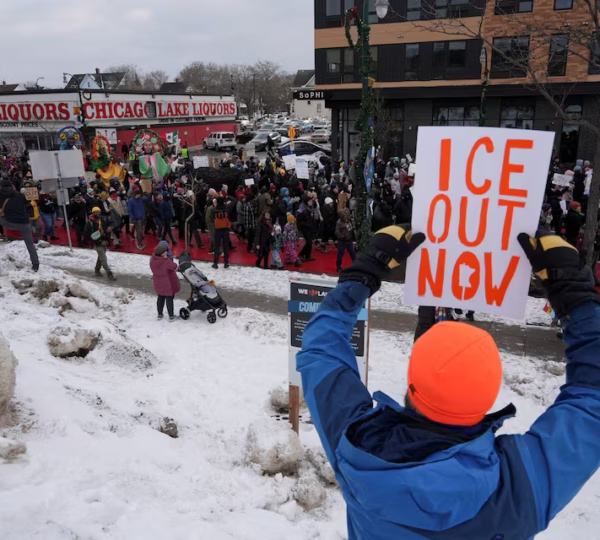
Friends recall her creativity, generosity, and tireless commitment to her children, describing her as a mother who consistently prioritized her family while fostering meaningful connections with neighbors.
As public mourning continues, local leaders, activists, and advocacy groups are urging patience while investigations unfold.
However, many families and residents are expressing frustration at the slow pace of accountability in federal operations and law enforcement investigations, emphasizing the need for timely and transparent reporting.
Broader Implications: Federal Enforcement in Residential Areas
The tragic death of Renee Good has reignited national conversations about the role of federal enforcement agencies operating in residential neighborhoods.
While ICE and similar agencies are tasked with carrying out national immigration and enforcement policies, their presence in community spaces raises questions about safety, oversight, and the potential for civilian harm.
Critics argue that heavily armed officers operating in everyday neighborhoods may escalate situations unnecessarily, particularly when interactions involve nonviolent civilians.
Advocates for reform are calling for stricter protocols, enhanced training in de-escalation, and greater transparency to ensure that enforcement actions do not inadvertently endanger lives.
The incident has also highlighted the broader debate over the balance between federal authority and community safety, prompting calls for clearer guidelines and accountability measures when enforcement intersects with ordinary residents’ daily lives.
Federal and Local Investigations
Multiple agencies are now reviewing the incident from different angles. The Department of Homeland Security’s Office of Inspector General, along with local and state authorities, are conducting thorough investigations to determine the precise sequence of events, whether established procedures were followed, and what measures could have prevented the fatal outcome.
Investigators are examining everything from body camera footage to witness statements, training records, and prior operational history of officers involved.
While no conclusions have yet been released, officials have emphasized the importance of a careful, evidence-based approach to ensure that the investigation is comprehensive and unbiased.
Public transparency remains a central concern. Advocacy groups and city leaders are pushing for timely updates and accountability mechanisms to ensure that the family of Renee Good—and the wider community—receives answers about the circumstances surrounding her death.
Remembering Renee Nicole Good
Beyond the controversy and scrutiny, Renee Good’s life and legacy remain at the forefront of community remembrance. Her friends and neighbors describe her as a creative, compassionate, and resilient individual who dedicated herself to her children and community.
Her three children, now grappling with the sudden loss of their mother, are surrounded by family, friends, and support networks that emphasize care, stability, and understanding. Community vigils and memorials continue to honor her memory, offering spaces for collective grieving and reflection.
The incident has also prompted conversations about the emotional toll of federal enforcement actions on families, particularly those who may already be vulnerable or facing systemic challenges.
Advocates stress the importance of community support and mental health resources in the wake of such traumatic events.
Public Dialogue and National Attention
The tragic event has sparked widespread discussion not only in Minneapolis but across the nation. Media coverage has explored multiple angles: the specifics of the incident, the history and training of the officer involved, the broader implications for federal enforcement practices, and the personal story of Renee Good and her family.
This national attention has elevated conversations about safety, accountability, and the human consequences of law enforcement operations.
Lawmakers, advocacy groups, and community leaders are weighing policy reforms that could prevent similar tragedies, such as stricter oversight, better de-escalation training, and greater transparency in high-risk enforcement operations.
At the same time, public response has been a mixture of grief, outrage, and calls for measured investigation. While many demand immediate answers, others emphasize the need for careful review to ensure that findings are accurate and evidence-based.
Moving Forward: Accountability, Healing, and Policy Reform
As investigations continue, Minneapolis residents and advocates are seeking accountability and clarity. There is a growing call for federal and local agencies to review operational protocols, improve training on nonviolent engagement, and provide clear guidance to officers operating in civilian neighborhoods.
Community leaders are also highlighting the importance of healing and support for families affected by such incidents.
Vigils, counseling services, and community outreach programs have become crucial resources, offering spaces for grieving families, neighbors, and the broader public to process the impact of the tragedy.
The hope among many in Minneapolis is that Renee Good’s death will not be in vain—that it will lead to meaningful reforms, increased awareness of the risks associated with federal enforcement operations, and policies designed to protect civilians while still allowing agencies to carry out their mandates safely and responsibly.
Conclusion
The death of Renee Nicole Good in Minneapolis represents more than a single tragic event. It underscores the human cost of enforcement operations, the vulnerabilities faced by families in residential neighborhoods, and the critical need for accountability, transparency, and reform.
While the investigation continues, the city of Minneapolis has rallied around her family, honoring her life through vigils, memorials, and public support.
Her legacy as a devoted mother and vibrant community member is now intertwined with broader national discussions on law enforcement practices and public safety.
The incident serves as a poignant reminder of the delicate balance between federal authority and civilian protection.
As federal, state, and local agencies work to provide answers, the hope of many residents is that these efforts will lead to meaningful change, ensuring that tragedies like the death of Renee Good are not repeated.
For the family, the community, and the city at large, the pursuit of truth, justice, and healing continues—anchored by the memory of a mother whose life touched so many and whose death has sparked urgent reflection on safety, responsibility, and the value of human life.