
For Neil Diamond, “Song Sung Blue” was never just another hit on the radio. When it was released in 1972, it stood out not because it tried to dazzle, but because it did exactly the opposite — it offered simplicity, honesty.
And meaning in equal measure. Built on a gentle melody and plainspoken lyrics, the song captured a timeless truth: that joy and sorrow often walk hand in hand, and that music can give voice to emotions we feel but seldom articulate.
This quiet honesty is one of the key reasons the song has endured for more than half a century. The same understanding — of vulnerability without overstatement — carries through the new tribute film Song Sung Blue, where actors Hugh Jackman and Kate Hudson approach Diamond’s music not as material to be dramatised or updated, but as music to be felt and respected.
The result isn’t a flashy musical biopic full of spectacle; it’s a thoughtful, emotionally grounded story that treats its musical inspiration with the sincerity it deserves.

The Legacy of “Song Sung Blue”
Released in May 1972 as part of Neil Diamond’s album Moods, “Song Sung Blue” quickly became one of his most iconic songs. Written by Diamond himself — inspired in part by the second movement of Mozart’s Piano Concerto No. 21 — the song was intentionally simple and accessible.
Diamond later described it as “a very basic message, unadorned” and admitted he never expected it to become a major hit.
Yet that’s exactly what happened. The song reached No. 1 on the U.S. Billboard Hot 100 chart in July 1972 and spent an impressive twelve weeks in the Top 40.
It also climbed to No. 14 in the United Kingdom. It was Diamond’s second U.S. No. 1 hit, following 1970’s “Cracklin’ Rosie.”
The lyrics — which encourage listeners to sing through sadness and find comfort in shared experience — struck a chord during a decade of social change and personal reflection.
The song’s tone is gentle yet profound; there’s no big crescendo, no engineered moment for applause — just a steady, reassuring voice that invites listeners to lean in.
Diamond’s writing emphasized that emotional balance, and it became a defining feature of his musical identity.
The song also received industry recognition, earning Grammy nominations for both Record of the Year and Song of the Year at the 1973 awards — even though it did not win either category.
Over the decades, “Song Sung Blue” has remained one of Diamond’s most beloved standards, performed in countless concerts and included on numerous live and compilation albums.

Its legacy extends far beyond charts and awards — it’s a song that helped define Diamond’s connection to his audience.
The Story Behind the Film Song Sung Blue
The 2025 feature film Song Sung Blue — directed and written by Craig Brewer — builds on that simple emotional core.
It’s based on a 2008 documentary of the same name by Greg Kohs, which followed real‑life musicians Mike and Claire Sardina, a couple from Wisconsin who formed a Neil Diamond tribute band called Lightning & Thunder.
Brewer, known for character‑driven storytelling in films like Hustle & Flow and Dolemite Is My Name, saw in the documentary a story that went beyond music and performance.
His adaptation focuses on the personal journey of the couple — their struggles, resilience, dreams, and how music shaped their lives.
Unlike other musical biopics that turn songs into larger‑than‑life set pieces, Song Sung Blue resists the urge to dramatise Diamond’s music.
Instead, it lets the songs breathe as part of the emotional arc, weaving them naturally into the narrative rather than treating them as mere spectacle.
When Diamond himself saw the completed film, he reportedly responded with deep emotion. According to director Craig Brewer and media reports, Diamond was moved not because the film was glamorous or nostalgic, but because it approached his work with sincerity and respect — qualities he valued in his own songwriting.
Hugh Jackman and Kate Hudson: Bringing Heart to the Music
A central reason Song Sung Blue resonates is the authentic chemistry and emotional grounding brought by its leads. Hugh Jackman and Kate Hudson portray Mike and Claire Sardina, the heart and soul of the story.
Their performances have been widely praised for blending warmth, vulnerability, and natural musicality.

Jackman — known for his musical roles in Les Misérables and The Greatest Showman — brings a lived‑in quality to his portrayal.
Rather than imitating Diamond outright, he focuses on conveying emotional depth, balancing musical performance with the character’s personal journey. Hudson, meanwhile, infuses her character with a soft vulnerability that amplifies the film’s emotional honesty.
Their collaboration was more than acting; both performers recorded music for the film, blending studio work with live performance to create a sound that feels authentic rather than manufactured.
The soundtrack features classic Diamond songs — from upbeat numbers like “Cherry, Cherry” to thoughtful pieces like “Play Me” — all performed with a blend of live vocal work and studio finesse.
The performances have not gone unnoticed: Hudson’s work on the film earned her a Golden Globe nomination, reflecting the emotional range she brought to her role, which includes portraying her character’s personal struggles and resilience.
A Film About Life, Not Just Music
What distinguishes Song Sung Blue is its refusal to reduce Diamond’s legacy to a string of hits or surface spectacle.
Instead, it explores what music means in people’s lives — how songs can embody emotion, memory, and shared experience.
It’s not just a tribute to Neil Diamond’s catalog; it’s a story about connection, perseverance, and how a song can comfort across decades and generations.
The film’s narrative arc mirrors the emotional simplicity of “Song Sung Blue” itself. There’s no forced melodrama or overwrought conclusion — instead, audiences experience real, lived‑in characters whose dreams and setbacks unfold naturally.
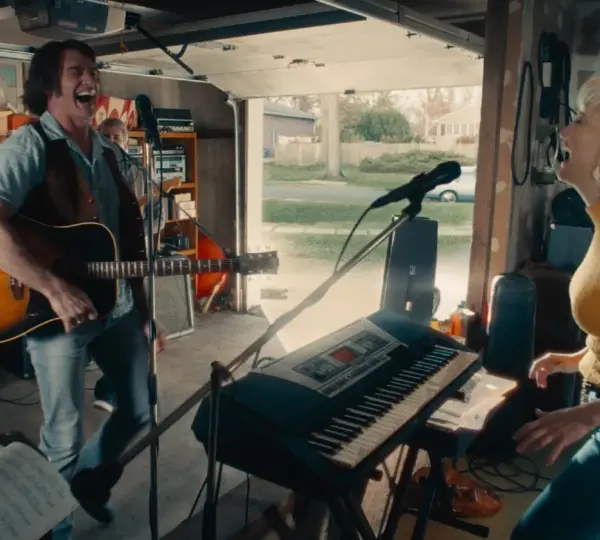
This storytelling choice aligns with Diamond’s belief that once a song is released, it belongs not only to its creator but to the world.
That sense of continuity — from Diamond’s original message to its cinematic interpretation — has resonated with audiences and critics alike.
On review aggregator sites, the film holds strong approval ratings, with critics praising its heartfelt performances, dignified treatment of the source material, and sincere tone.
Diamond’s Catalog and New Chapters
The timing of Song Sung Blue’s release added another layer of meaning. Recently, Neil Diamond sold his entire music catalog to Universal Music Group, ushering his life’s work into a new phase of stewardship, archiving, and celebration.
This transition marked the end of one chapter and the beginning of another — one in which Diamond no longer controls how his songs are used, but can take comfort in knowing they continue to resonate.
Seeing “Song Sung Blue” and other classics carried forward on screen with such respect likely reassured Diamond that his songs still speak truthfully through other voices.
The film doesn’t attempt to reshape his legacy; it listens to it, honors it, and extends it — giving audiences old and new a chance to experience his music not as relics of the past but as living, breathing emotional artifacts.
Diamond’s heartfelt gesture to actor Hugh Jackman — gifting him a signed acoustic guitar with a personal message — symbolised that deep connection.
In a world of ego and reinvention, the act of reverent listening becomes an act of love, proving that music written decades earlier can still speak softly, clearly, and honestly today.
Why Song Sung Blue Matters
In an entertainment landscape often obsessed with reinvention and spectacle, Song Sung Blue stands out for its restraint and care. It’s not a flashy tribute; it’s a quiet celebration of music’s power to connect and console.
It invites viewers to reflect on their own memories, joys, and heartbreaks — all filtered through the prism of song.
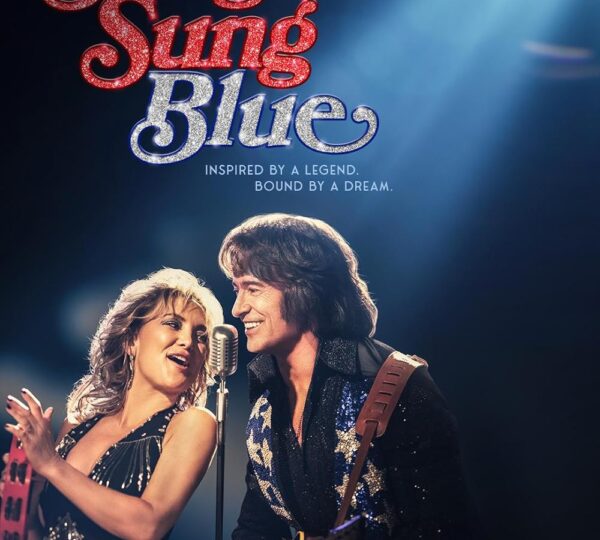
For Neil Diamond, watching his music carried forward this way wasn’t just a professional milestone. It was something deeply personal: proof that a song born from simplicity could still find resonance in a complex, fast‑moving world.
That’s a testament not just to the enduring quality of “Song Sung Blue,” but to the universality of music itself — a gentle reminder that even the softest notes can carry the deepest truths.