
For millions of families around the world, immigration is more than paperwork — it is the promise of a new life, reunification with loved ones, and years of sacrifice finally paying off.
That promise is now thrown into a state of shock. Beginning January 21, 2026, the U.S. government will pause the issuance of immigrant visas for nationals of 75 countries — a sweeping action that will delay or halt the permanent residency plans of hundreds of thousands of people.
The suspension doesn’t simply affect abstract statistics or anonymous legal forms. It threatens to upend the journeys of parents, spouses, children, doctors, laborers, and students who have imagined and planned for futures in the United States for years, sometimes decades.
What was once bureaucratic back‑and‑forth across embassies and consulates has transformed into a sudden, life‑altering crisis.
What the Policy Change Actually Is
On January 14, 2026, the U.S. Department of State announced that it will pause immigrant visa processing — the category of visas that leads to lawful permanent residence (green cards) — for nationals of 75 named countries.

This pause will take effect on January 21, 2026. Consular posts abroad will still accept applications and conduct interviews, but no new immigrant visas will be issued while the pause remains in place.
It’s important to understand what is and isn’t affected:
What IS Impacted
Immigrant visa issuances for nationals of the 75 listed countries, processed at U.S. embassies and consulates abroad. This includes family‑based visas (e.g., spouses, parents of U.S. citizens), employment‑based green cards, and diversity visas.
What Is Not Impacted
Nonimmigrant visas, such as tourist (B‑1/B‑2), student (F‑1/J‑1), work visas (H‑1B, L‑1), and exchange programs are not part of the suspension.
People already in the U.S. applying for Adjustment of Status (AOS) typically through USCIS within the United States may not be directly halted by this pause — though their cases could still be affected by broader procedural impacts.
Existing immigrant visas that have already been issued and physically printed are not being revoked.
Despite these specific boundaries, the policy’s scope and real‑world implications are profound and far‑reaching.
Why the Suspension Was Announced
According to government statements, the suspension is part of a broader review of immigrant visa policies tied to concerns about people who might become dependent on public welfare programs in the U.S.
Officials have cited a desire to ensure immigrants are financially self‑sufficient and do not become a so‑called “public charge.”
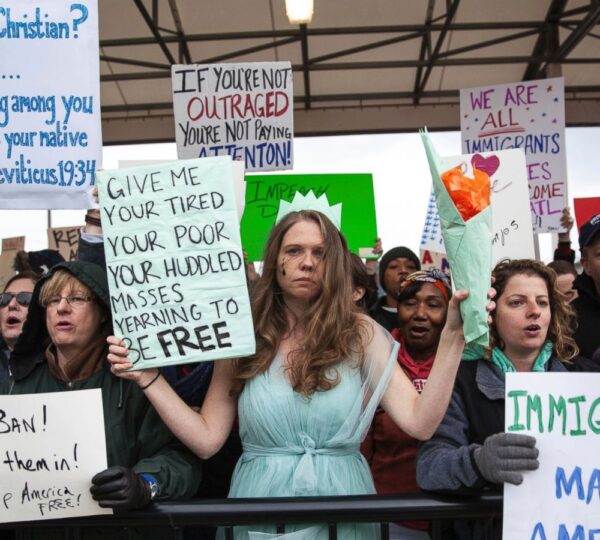
However, critics note that the pause went far beyond isolated screenings and instead represents an unprecedented halt to legal immigration pathways for people from entire regions spanning Africa, Asia, Latin America, the Middle East, the Caribbean, and Eastern Europe.
There is no announced end date for the pause. Officials have described it as a temporary measure while procedures are reviewed, but the indefinite timeframe adds deep uncertainty for those caught up in the freeze.
Geographic Breadth: Who Is Affected?
The affected countries span six continents and include nations with deeply varied economies, populations, and diplomatic relationships with the United States. Some of the countries listed include:
Africa: Nigeria, Somalia, Sudan, Ethiopia, Ghana, Senegal
Asia: Pakistan, Bangladesh, Iran, Iraq, Nepal
Latin America & Caribbean: Brazil, Colombia, Haiti
Europe & Eurasia: Russia, Albania, Belarus
Middle East: Yemen, Jordan
Small island states: Barbados, Saint Lucia, Antigua and Barbuda
This list reflects a blend of historically large immigration sources and smaller migrant streams — but all share the common experience of now facing halted immigrant visa processing.
Even countries with relatively stable political environments and longstanding migration ties to the U.S. are included, which has deepened the shock felt by advocates and families alike.
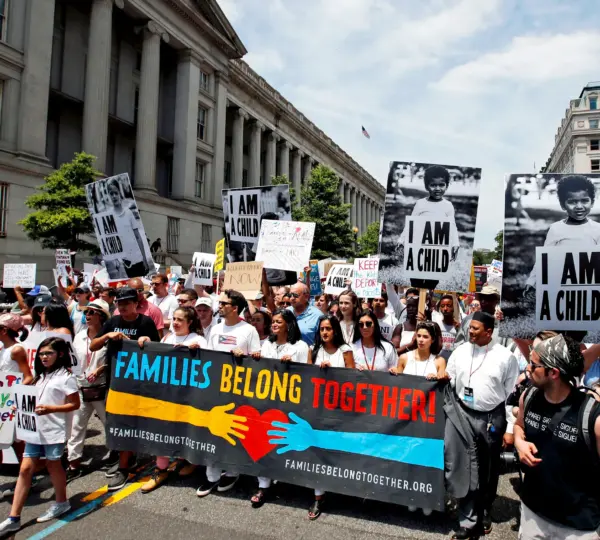
What This Means for Families
For many families, visa processing was no longer a distant goal but a plan already in motion. Some had already:
Sold homes in their home countries.
Quit jobs with the understanding they would start anew in the United States.
Withdrawn children from school to prepare for relocation.
Arranged financial commitments, housing, or employment offers reliant on completed immigration status.
For these families, the January 21 deadline has become a brutal countdown. In some cases, interviews were scheduled close to the cutoff; in others, approval seemed imminent. Now, that reality is uncertain at best.
Parents watching their children’s futures are left recalculating everything. Spouses separated by geography face the possibility of being apart indefinitely.
People planning to reunite with elderly relatives are now grappling with indefinite delay. The emotional toll is enormous, and in many cases growing by the day.
Legal vs. Administrative Freeze: Clarifying the Policy
Despite the wide coverage and public concern, experts emphasize that the action is technically a pause on consular processing, not a blanket legal ban on immigration from the listed countries.
The State Department continues to accept applications, and interviews may still occur — but no final decisions or visa issuances will be finalized until the pause ends.
The nuance matters: the suspension does not formally change U.S. immigration law, and it doesn’t directly cancel already issued visas.
But in practical terms, it stalls forward progress for hundreds of thousands of cases that were nearing completion at embassies and consulates.
Public Charge and Policy Context
The administration’s framing of the pause revolves around the longstanding “public charge” rule — a policy that evaluates whether incoming immigrants might become primarily dependent on government benefits.
The public‑charge standard has been part of U.S. immigration law for decades, though its interpretation and enforcement have shifted over time under different administrations.
In this case, consular officers are reportedly instructed to more rigorously apply public‑charge screening and refuse immigrant visa applications for people from the designated countries under certain conditions.
Critics argue this amplifies a policy that already disproportionately affects applicants from less affluent regions, effectively freezing lawful immigration based on generalized assumptions about welfare use.
At the same time, the U.S. continues to pursue separate policies tightening background checks and expanding vetting across all visa categories, including increasing social media scrutiny for many applicants.
Reactions Around the World
The suspension has elicited a mix of reactions:
Families and immigrants in affected countries express fear, anguish, and confusion. Many have already invested significant time and resources into their applications and feel blindsided by the sudden change.
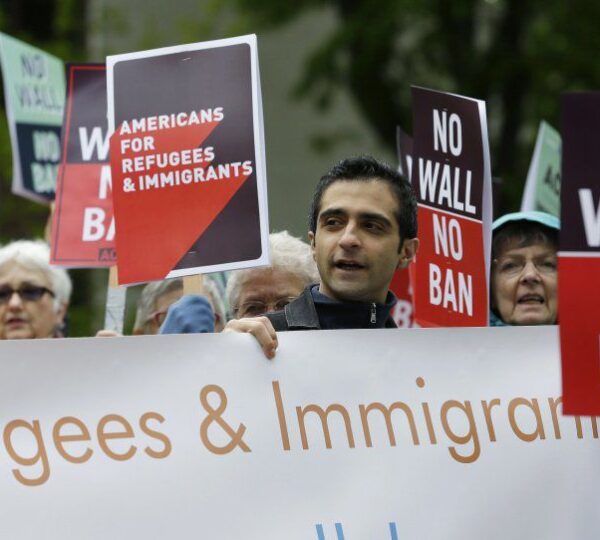
Immigration advocates call the pause unprecedented in scale and potentially harmful to long‑standing immigration routes that families and employers rely on.
They argue it targets broad swaths of the world rather than centering on individual risk profiles.
U.S. employers that sponsor foreign workers for permanent residence are concerned about labor shortages or disruptions in hiring processes.
Legal experts caution that the indefinite timeline worsens uncertainty and may lead to long‑term backlogs once processing resumes.
In countries like Pakistan and Nigeria — where large expatriate communities have built deep economic and familial ties to the United States — the pause is already being discussed as a crisis impacting diaspora communities, business networks, and cultural interdependence.
What Individuals and Families Are Doing
In the face of this uncertainty, people are taking a range of actions:
1. Rushing to File Before January 21
Some applicants are submitting forms and attending interviews ahead of the deadline, hoping their cases will be processed.
However, even this strategy carries risk, as consular officers may still refuse visas under the new guidance if they feel applicants don’t meet public‑charge criteria.
2. Applying for Alternative Visa Paths
Some families are attempting to pivot to nonimmigrant visa options where possible — such as work or student visas — which are not directly covered by this pause.
These routes are temporary and do not guarantee long‑term residency, but they may offer a lifeline in the interim.
3. Seeking Legal Appeals or Waivers
There is discussion about humanitarian waivers, appeal processes, or exceptions, but these are limited and highly discretionary. For most people, the odds of obtaining exceptions are small.
4. Waiting in Limbo
Many families simply have no choice but to wait. They continue paying fees, maintaining their documentation, and hoping for policy clarity — knowing that the lack of a timeline means they cannot finalize major life decisions like travel, housing, or employment.
The Human Cost: Stories Behind the Numbers
For each statistic tied to the policy, there is a real person with a story:
A mother in Nigeria who has spent seven years waiting to join her husband in the United States.
A young Pakistani engineer whose job offer in Silicon Valley hinges on permanent resident status.
A Colombian father planning to reunite with his young daughter after years of separation.
A Brazilian couple who sold their home and planned to move to the U.S. before realizing their immigrant visa would not be issued.
Their lives were carefully planned around visa dates, medical appointments, job start times, and school enrollments. Now, everything is suspended with no firm indication of when or if it will resume.
The Broader Implications
This pause is not merely a temporary delay in paperwork. Its effects are structural:
Increased Backlogs: Cases that were ready for final processing will be added to the backlog once the pause ends.
Economic Disruption: Employers dependent on foreign talent may face labor shortages or need to revise hiring plans.
Family Separation: Reunification efforts — especially for spouses, parents, and children — face indefinite postponement.
Wider Migration Patterns: Some potential immigrants may turn to other countries, fundamentally altering global migration flows.
Looking Ahead: Uncertainty Dominates
As the January 21 deadline nears, uncertainty continues to dominate the emotional landscape for impacted families.
For many, the question has shifted from when their new life in the United States will begin to whether they are still allowed to hope at all.
While the suspension may be temporary in official language, the emotional, financial, and logistical consequences are enduring.
For those waiting — and for the countless people connected to them — hope is no longer a certainty but a fragile, shifting horizon.