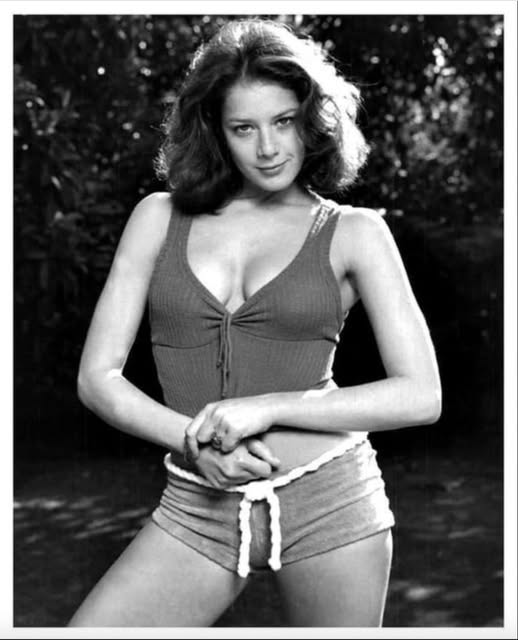
Few images in cinematic history are as indelible as the final scene of An Officer and a Gentleman, where Richard Gere’s naval officer, Zack Mayo.
Lifts factory worker Paula Pokrifki, played by Debra Winger, from the confines of her working-class routine into a triumphant embrace that has defined romance on screen for generations.
That single moment, emblematic of longing, hope, and cinematic heroism, did more than solidify box-office success in 1982; it established Winger as a powerhouse of emotional depth and authenticity, a performer who could command a scene without compromising nuance.
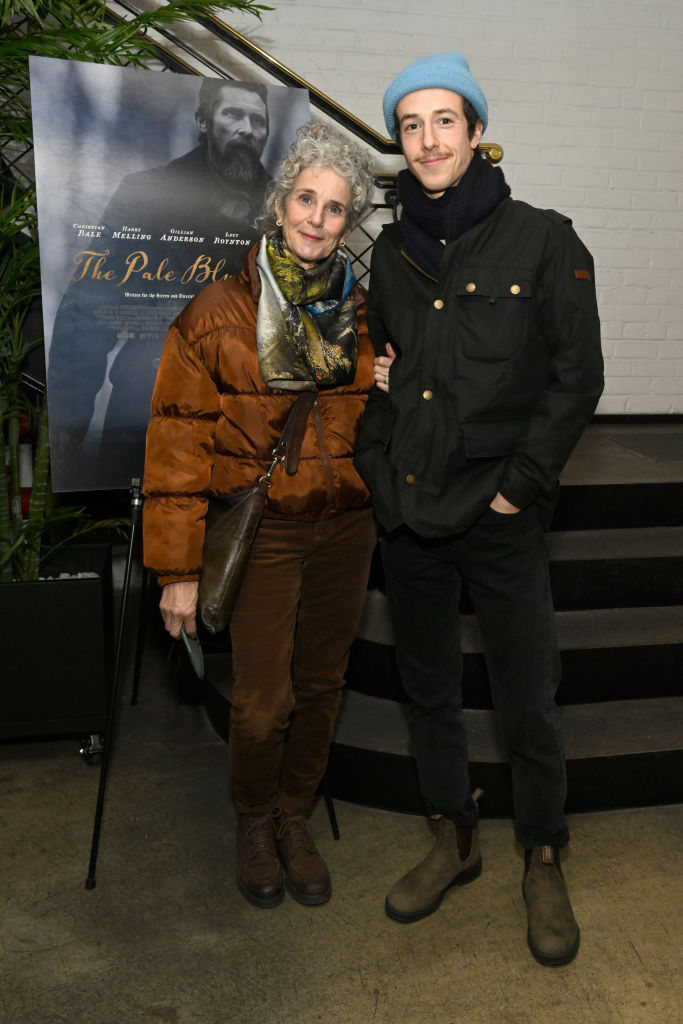
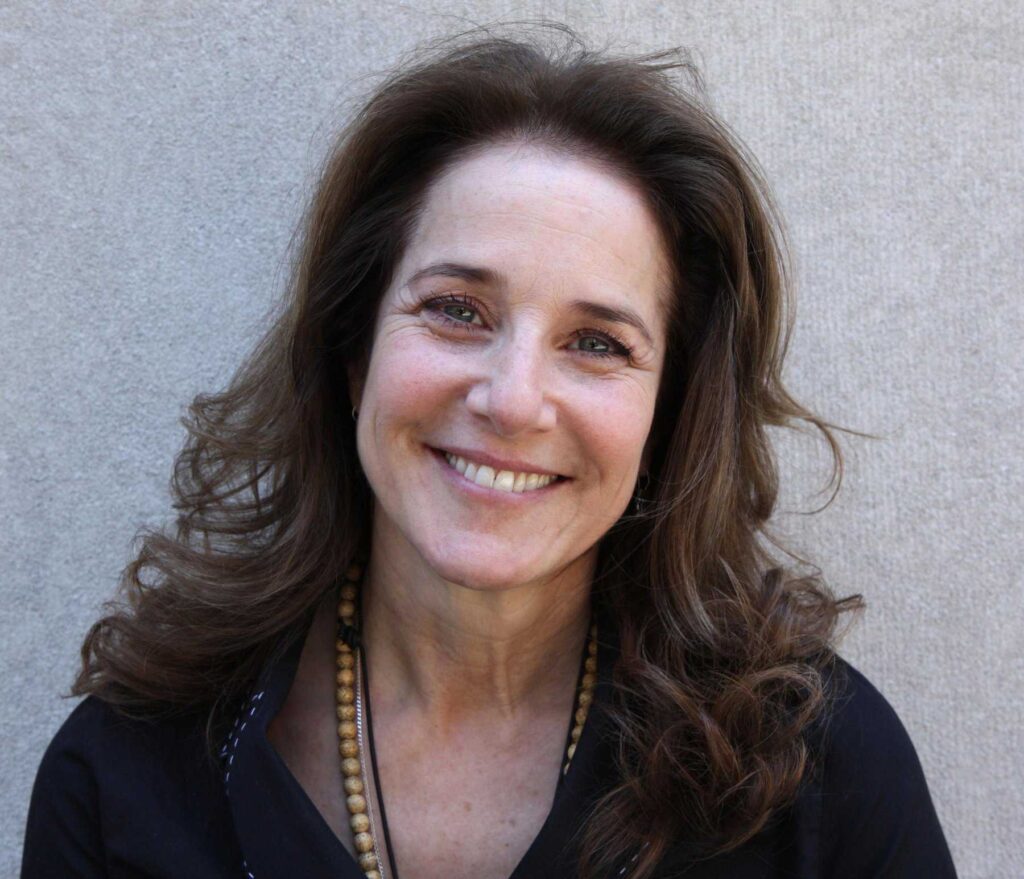
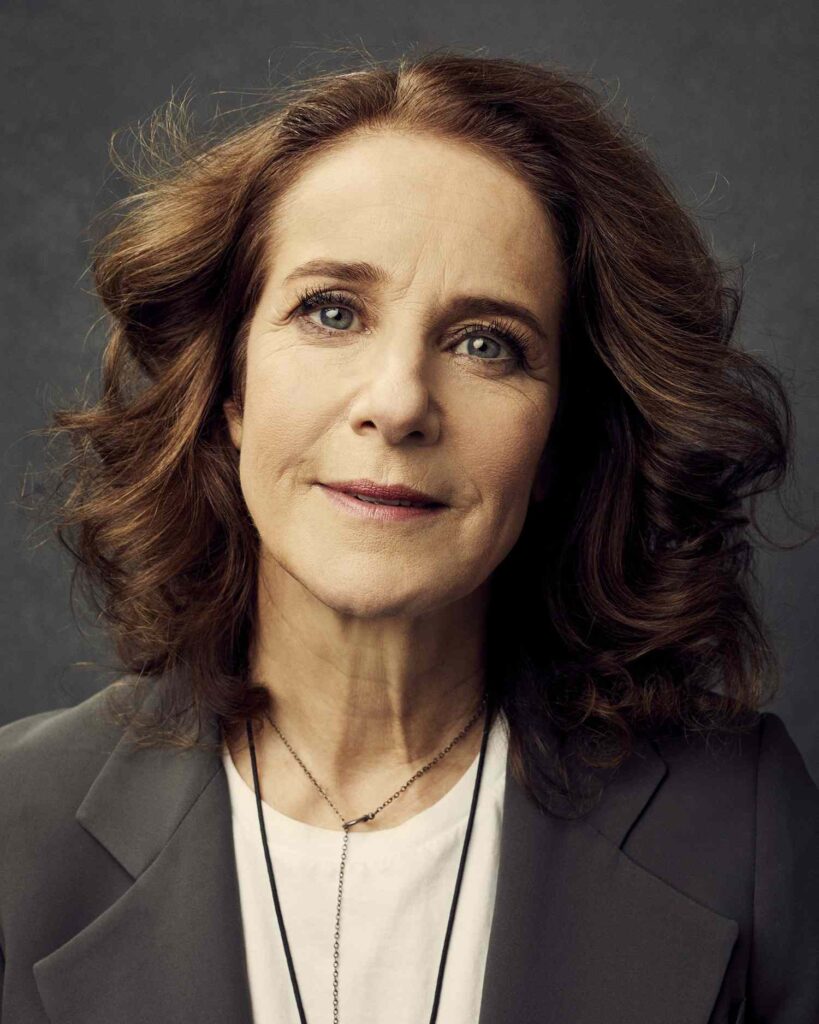
Over forty years later, Winger remains a striking figure, gracefully embracing her transition from her iconic brunette locks to natural, wavy silver, a transformation she presents with an authenticity rare in Hollywood. Her enduring presence prompts reflection not only on her beauty but also on a career defined by careful choices, integrity, and occasional rebellion against industry expectations.
The Meteoric Yet Deliberate Rise
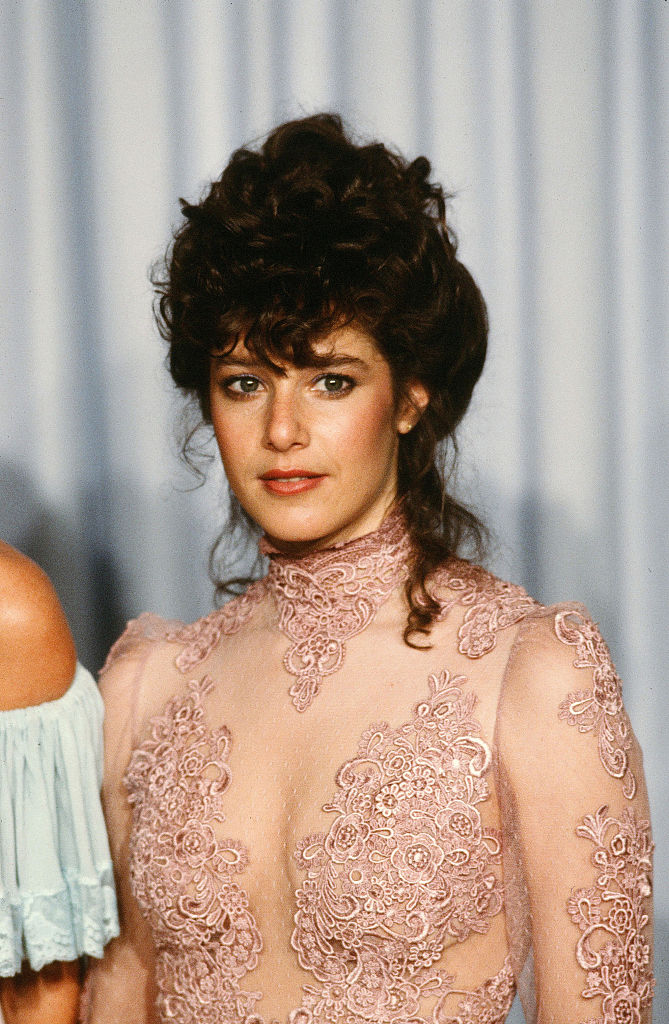
Debra Winger’s journey to stardom began in 1976 with her debut in Slumber Party ’57. The young actress quickly captured attention, securing a role in the Wonder Woman television series as Drusilla, Diana Prince’s younger sister.
While the exposure provided early fame, Winger’s instinct for authenticity guided her choices: she famously turned down a larger, more lucrative role on the show to avoid typecasting within the superhero genre, demonstrating a precocious understanding of long-term career strategy.
This early decision reflected a recurring theme in Winger’s trajectory: a commitment to craft over convenience, integrity over immediate gratification.
By the early 1980s, Winger’s deliberate approach began to bear fruit. Her performance in Urban Cowboy (1980), where she starred opposite John Travolta, positioned her as a formidable talent capable of holding her own against established stars.
The apex of her early career arrived with An Officer and a Gentleman (1982), where her portrayal of Paula combined vulnerability, determination, and warmth, resonating with audiences worldwide.
The film not only earned commercial success but also secured Winger’s reputation as an actress capable of creating unforgettable characters, characters that became cultural touchstones for romantic cinema.
Her momentum continued with Terms of Endearment (1983), where she portrayed Emma alongside Shirley MacLaine.
The film, a blend of comedy and tragedy, highlighted Winger’s ability to navigate complex emotional landscapes, a skill that would define her reputation.
Four decades later, critics and audiences alike still reference her performance as emblematic of raw, naturalistic acting, balancing sensitivity and strength in a manner that few contemporaries could emulate.
Behind the Scenes: Tension and Tenacity
While Winger’s on-screen performances suggested effortless grace, behind the camera, she was known for her uncompromising approach. Stories of her being “difficult” often reflected her unwillingness to compromise on character integrity or allow commercial considerations to override authenticity.
Co-star Louis Gossett Jr., in his memoir An Actor and a Gentleman, recalled the charged dynamic on set with Richard Gere.
The onscreen chemistry was palpable, yet off-camera, Winger kept a professional distance, describing Gere’s method acting as immovable and characterizing director Taylor Hackford as intense and demanding. This professional friction, rather than undermining her career, underscored Winger’s commitment to her craft and refusal to prioritize image over substance.
Similarly, during Terms of Endearment, her interactions with Shirley MacLaine became the stuff of industry legend. MacLaine, epitomizing classic Hollywood glamour, and Winger, embodying grounded realism with a penchant for rugged, combat-boot aesthetics, clashed stylistically and personally.
Their first meeting—MacLaine draped in furs, Winger in a miniskirt and boots—foreshadowed tensions that mirrored the larger narrative of contrasting Hollywood eras.
Winger’s insistence on authenticity and MacLaine’s flamboyance created a compelling off-camera drama that ultimately translated into award-winning performances, with MacLaine securing the Academy Award for Best Actress, leaving Winger as a poignant example of talent sometimes overshadowed by Hollywood politics.
The Great Pause: Stepping Away from the Spotlight
At the peak of her career, after the release of Forget Paris (1995), Winger made the startling decision to step back from Hollywood. While many speculated on industry conflicts or waning opportunity, Winger’s rationale was far more personal: she sought challenges beyond scripts and studios.
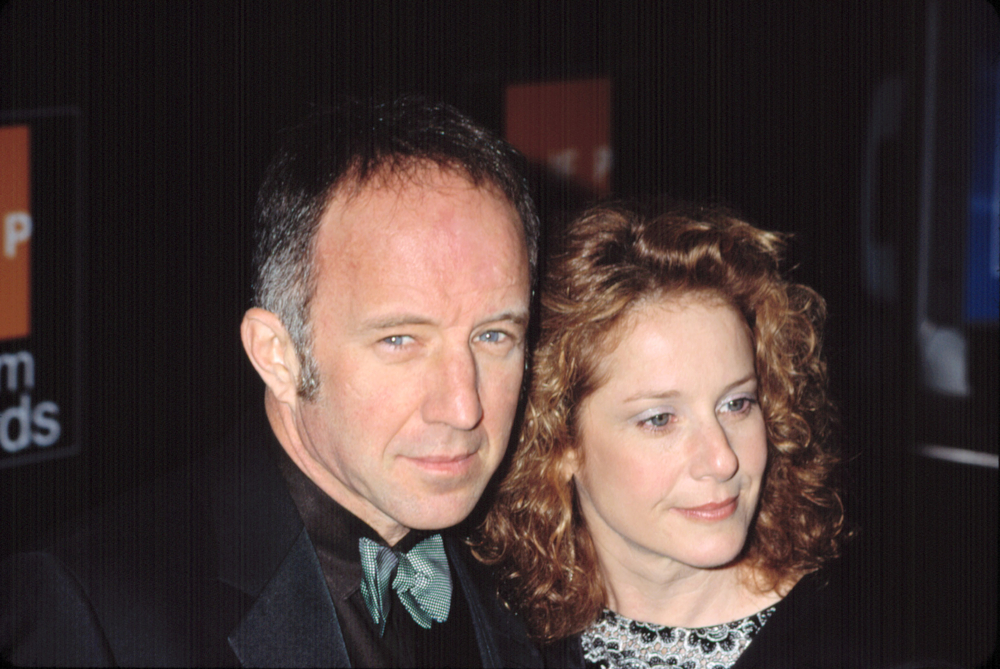
She relocated to New York City, focusing on family life, her marriage to actor Arliss Howard, and raising her children—sons Noah and Gideon, and stepson Sam.
The deliberate retreat from fame underscored her ongoing quest for meaning, personal growth, and creative satisfaction outside the constraints of commercial filmmaking.
Her absence left a void in Hollywood, generating curiosity and eventually inspiring Rosanna Arquette’s 2002 documentary, Searching for Debra Winger, which explored the mystery of her disappearance from the screen.
Winger herself explained simply, “The parts that were coming, I wasn’t interested in. I needed to be challenged. My life challenged me more than the parts, so I dove into it fully.” This sentiment reflects a conscious refusal to sacrifice personal fulfillment for professional obligation—a principle that continued to define her career choices.
After several years away from Hollywood, Debra Winger’s return was marked by intentionality and careful selection of roles that aligned with her personal and artistic standards.
Rather than succumbing to the lure of high-profile but creatively uninspiring projects, she sought out independent films and nuanced stories that allowed her to explore the full spectrum of human emotion.
This approach underscored the evolution of an actress who understood that longevity in the arts required adaptability, discernment, and, above all, authenticity.
One of her first major projects upon returning was Big Bad Love (2001), directed by her husband, Arliss Howard. In this film, Winger embraced a role that demanded emotional depth, portraying a woman navigating complex interpersonal dynamics against the backdrop of a small-town setting.
The project allowed her to experiment with subtler performances, emphasizing emotional resonance over conventional glamour—a theme consistent throughout her post-hiatus work.
Her involvement in Rachel Getting Married (2008), directed by Jonathan Demme, further highlighted Winger’s capacity for layered performances.
Playing a supporting yet pivotal role, she contributed to a narrative centered on familial tension, reconciliation, and personal growth.
Critics praised her ability to imbue a single scene with nuance, conveying empathy and conflict simultaneously. The performance demonstrated that Winger’s talents had not diminished with time; rather, her experience brought new dimensions to her craft.
In 2020, she appeared in the critically acclaimed indie film Kajillionaire, where she portrayed a character navigating the moral and emotional complexity of a convoluted family scheme.
The project was celebrated for its originality and offbeat tone, and Winger’s performance provided a grounding emotional anchor amidst the film’s eccentricity.
Her work was described as quietly magnetic, offering both wisdom and subtle humor, further establishing her as a performer whose depth transcends conventional categorization.
Continuing her collaborative streak, Winger reunited with Howard in With/In (2021), an anthology exploring human relationships and the nuances of modern connection. The project allowed Winger to engage with experimental storytelling while staying true to her commitment to authentic emotional expression.
Her performances in these later works were not only an affirmation of her enduring talent but also a statement about the viability of reinvention in an industry often obsessed with youth and marketability.
Life Beyond Hollywood
While Winger’s on-screen work remains celebrated, her life off-camera reflects an equally deliberate and fulfilling approach. She balances her time between Los Angeles and quieter personal spaces, prioritizing family, reflection, and creative exploration.
Instagram glimpses reveal a woman who embraces aging with elegance, sharing moments of travel, art, and everyday life without the artificiality often associated with celebrity culture. Her social media presence is understated yet impactful, offering insight into her philosophy: that life itself, not accolades, defines meaning.
Winger has spoken candidly about the changes in Hollywood over her career span. She observes the industry with a mixture of bemusement and critical awareness, noting the tension between commercial imperatives and artistic expression.
“I don’t know what Hollywood is,” she said in a recent interview. “I’m living under the freaking sign now, and I just stare at it and laugh.” Her reflection underscores a seasoned perspective: fame is transient, but personal integrity and thoughtful engagement with one’s craft endure.
Legacy and Cultural Impact
Debra Winger’s legacy is multi-faceted, encompassing cinematic achievement, personal integrity, and a model of intentional career management.
From her early breakout performances to her deliberate hiatus and selective return, she exemplifies how an artist can navigate the pressures of Hollywood while maintaining a sense of self.
Her impact extends beyond box-office statistics; she has influenced generations of actors who value depth, complexity, and authenticity over superficial fame.
Winger’s performances, particularly in An Officer and a Gentleman, Urban Cowboy, and Terms of Endearment, continue to resonate culturally.
The factory lift scene, for instance, is often cited in discussions of cinematic romance, not merely as a gesture of affection but as a symbol of aspiration, liberation, and emotional catharsis. Her work reminds audiences that storytelling at its best engages both intellect and heart, combining realism with cinematic artistry.
Moreover, Winger’s conscious decisions to step away from Hollywood at key moments challenge conventional narratives about career success.
By prioritizing personal growth, family, and artistic integrity, she provides a roadmap for balancing ambition with well-being. Her story encourages performers to define success on individual terms, rather than through external validation alone.
Enduring Relevance
As Debra Winger enters her eighth decade, she continues to serve as a touchstone for discussions on talent, aging, and authenticity in Hollywood.
Her career trajectory demonstrates that leaving the spotlight does not diminish influence; rather, it can strengthen it by proving that choices grounded in principle resonate longer than fleeting trends.
Industry peers and fans alike look to her example as proof that longevity and respect in entertainment are earned through discipline, discernment, and courage.
In addition to her artistic achievements, Winger’s public persona—graceful, candid, and introspective—provides a counter-narrative to the often superficial celebrity culture that dominates media.
She embodies a form of empowerment rooted in self-knowledge, demonstrating that confidence, experience, and wisdom can coexist with humility and openness.
For younger generations, her example highlights the value of pursuing meaningful work, resisting conformity, and embracing the challenges of life both on and off screen.
Conclusion: A Life Lived on Her Own Terms
Debra Winger’s career is defined by intentionality, authenticity, and resilience. From the heights of blockbuster fame to her deliberate withdrawal and selective return, she has consistently chosen roles and life decisions that reflect her values rather than industry pressure.
Her performances remain timeless, her influence undeniable, and her philosophy a beacon for anyone navigating the interplay between public expectation and personal fulfillment.
The story of Debra Winger is more than a chronicle of Hollywood success; it is a testament to the enduring power of authenticity, thoughtful decision-making, and unwavering commitment to craft.
While she may no longer dominate tabloid headlines, her work, wisdom, and example continue to inspire audiences, peers, and aspiring actors worldwide.
She remains, as she always has, a benchmark for what it means to be an artist in control of her own narrative—a woman whose life, both on-screen and off, is a study in deliberate, meaningful choice.